

The passing of Jesse Jackson, a prominent civil rights leader and advocate for social justice, marks a significant moment in the ongoing struggle for equality and human rights. Jackson’s life and work embodied the spirit of the civil rights movement, and his legacy continues to inspire new generations of activists and leaders.
A Legacy of Activism and Advocacy
Jesse Jackson was born on October 8, 1941, in Greenville, South Carolina, and grew up in a segregated society that fueled his passion for justice and equality.
Jackson attended North Carolina Agricultural and Technical State University, where he became involved in local civil rights protests. He graduated with a BS in sociology in 1964 and later attended the Chicago Theological Seminary.
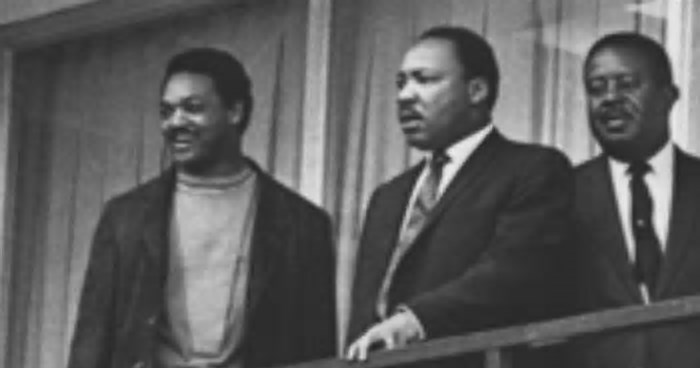
He became involved in the civil rights movement in the 1960s, working closely with Dr. Martin Luther King Jr. and the Southern Christian Leadership Conference (SCLC). In 1966, he was ordained a Baptist minister and became the national director of Operation Breadbasket, an economic arm of the SCLC Jackson’s leadership in the SCLC and his founding of Operation PUSH (People United to Save Humanity) in 1971 helped to expand the civil rights agenda to include economic empowerment and social justice.
Championing Voting Rights and Economic Justice
Jackson’s advocacy for voting rights and economic justice was unwavering. He participated in the Selma to Montgomery marches in 1965, a pivotal event in the struggle for voting rights, and later ran for president in 1984 and 1988, bringing attention to issues of racial and economic inequality. His campaigns helped to mobilize African American voters and paved the way for future generations of leaders.
A Lasting Impact on Black Life Matters
Jesse Jackson’s legacy is deeply intertwined with the Black Lives Matter movement. His commitment to justice, equality, and human rights continues to inspire activists and leaders today. Jackson’s work in promoting economic empowerment, education, and healthcare for marginalized communities remains relevant in the ongoing struggle for racial justice ³ ⁴.
As we reflect on Jesse Jackson’s life and legacy, we are reminded of the power of collective action and the importance of continued advocacy for human rights and social justice
Civil Rights Leadership
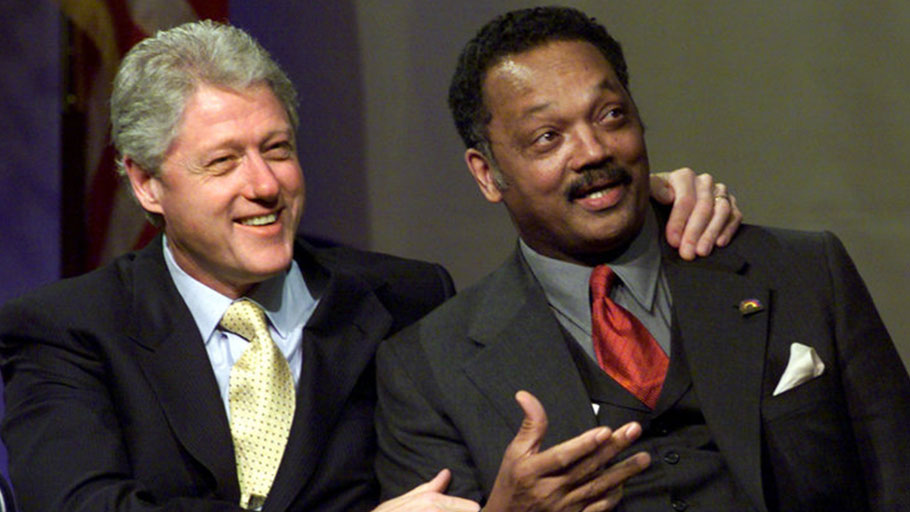
After King’s assassination in 1968, Jackson continued to advocate for civil rights and social justice. He founded Operation PUSH (People United to Save Humanity) in 1971 and the National Rainbow Coalition in 1984, which later merged to form the Rainbow/PUSH Coalition. Jackson’s leadership played a significant role in advancing voting rights, economic justice, and educational opportunities for African Americans.
Presidential Campaigns
Jackson ran for the Democratic presidential nomination in 1984 and 1988, making history as the first African American to mount a serious campaign. His 1988 campaign won 7 million votes and 11 contests, cementing his status as a national leader.
International Diplomacy
Jackson also made significant contributions to international diplomacy, negotiating the release of American hostages in Syria and Iraq. His efforts earned him recognition as a respected global leader.
Legacy and Honors
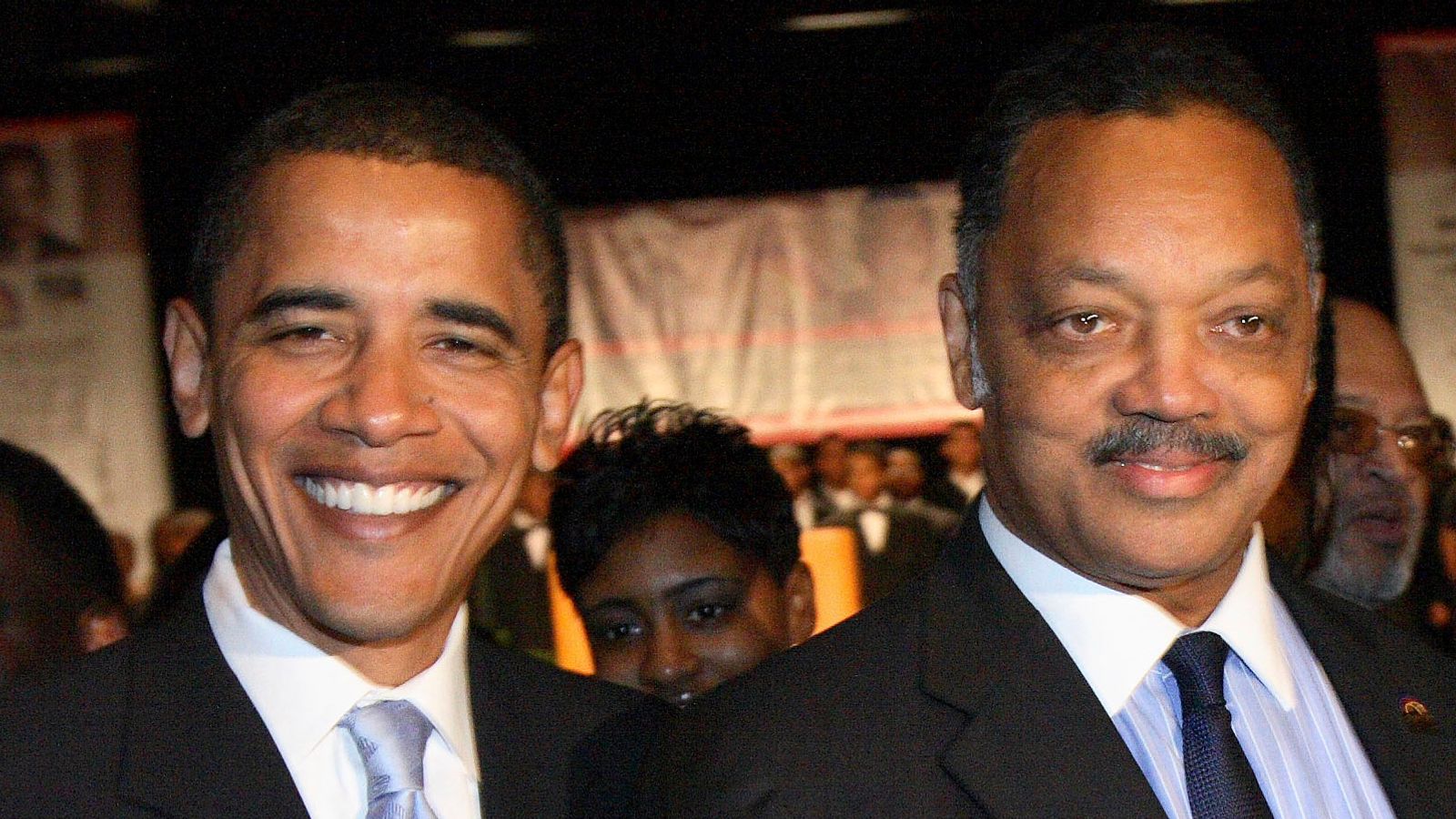
Jackson received numerous awards, including the Presidential Medal of Freedom in 2000 and the NAACP Spingarn Medal in 1989. His legacy continues to inspire civil rights activism and social justice movements.
Jesse Jackson’s most significant contribution to the civil rights movement was founding Operation PUSH (People United to Save Humanity) in 1971, which focused on economic empowerment and social justice for African Americans. Through PUSH, Jackson advocated for corporate accountability, fair employment practices, and access to education and healthcare for marginalized communities. He also negotiated with major corporations, like Coca-Cola and Burger King, to increase Black employment and business opportunities.
Jackson’s work with Operation Breadbasket, an economic justice initiative of the Southern Christian Leadership Conference (SCLC), also had a lasting impact. Under his direction, Operation Breadbasket targeted companies like Pepsi and Coca-Cola, securing jobs and business opportunities for Black communities.
Additionally, Jackson’s presidential campaigns in 1984 and 1988 brought attention to issues of racial and economic justice, inspiring millions of voters and paving the way for future Black leaders.

Jesse Jackson and Dr. Martin Luther King Jnr.
Jesse Jackson had a profound relationship with Rev. Martin Luther King Jr., working closely with him in the Southern Christian Leadership Conference (SCLC). Jackson joined the SCLC in 1965 and quickly became a key figure, leading Operation Breadbasket, an economic arm focused on pressuring businesses to hire more African Americans. He was with King in Memphis on April 4, 1968, when King was assassinated, and his account of the event has been widely reported.
Jackson’s relationship with King was complex, with some tension due to Jackson’s ambition. However, King saw potential in Jackson and mentored him, teaching him about nonviolent resistance and strategic thinking. After King’s death, Jackson continued to champion civil rights, founding Operation PUSH (People United to Save Humanity) in 1971 and the National Rainbow Coalition in 1984.
Jesse Jackson passed away on February 17, 2026, at the age of 84, surrounded by his family. He had been battling progressive supranuclear palsy (PSP), a rare neurological disorder
