

African Union’s Declaration on Slavery and Colonialism: A Historic Step Towards Justice
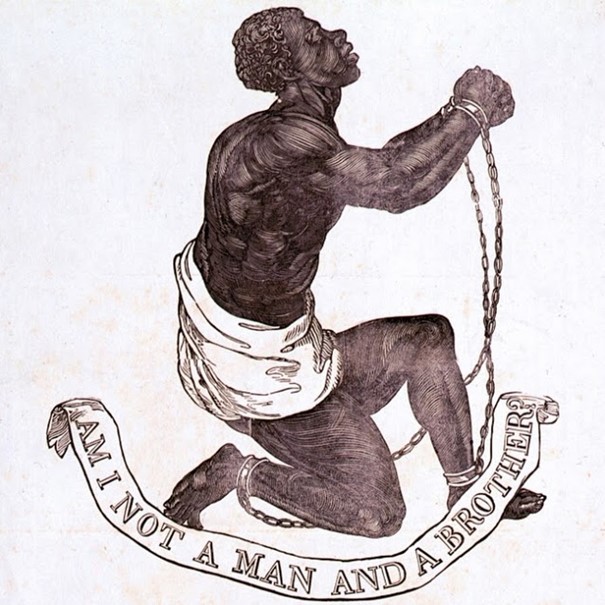
The process started with Togo quietly introducing a resolution at the AU Summit in Addis Ababa, which was later adopted by the 55 African nations on February 15, 2026. This resolution classified transatlantic slavery, forced deportation, and European colonialism as acts of genocide and crimes against humanity
The African Union’s (AU) declaration on slavery, deportation, and colonialism as crimes against humanity and genocide against African peoples marks a significant milestone in the quest for reparatory justice and recognition of historical injustices. This landmark resolution, adopted on February 15, 2026, in Addis Ababa, aims to strengthen Africa’s pursuit of self-determination and promote remembrance and preservation of African dignity.
Key Players and Milestones:
Algeria: Algerian President Abdelmadjid Tebboune initiated the process by hosting the International Conference on Colonial Crimes in Africa in Algiers, November 30-December 1, 2025. This conference led to the adoption of the Algiers Declaration, which recognized colonialism, transatlantic slavery, deportation, and apartheid as crimes against humanity and forms of genocide.
Ghana: Ghana was named the continental reparations champion, playing a crucial role in pushing for recognition and reparations for colonial crimes.
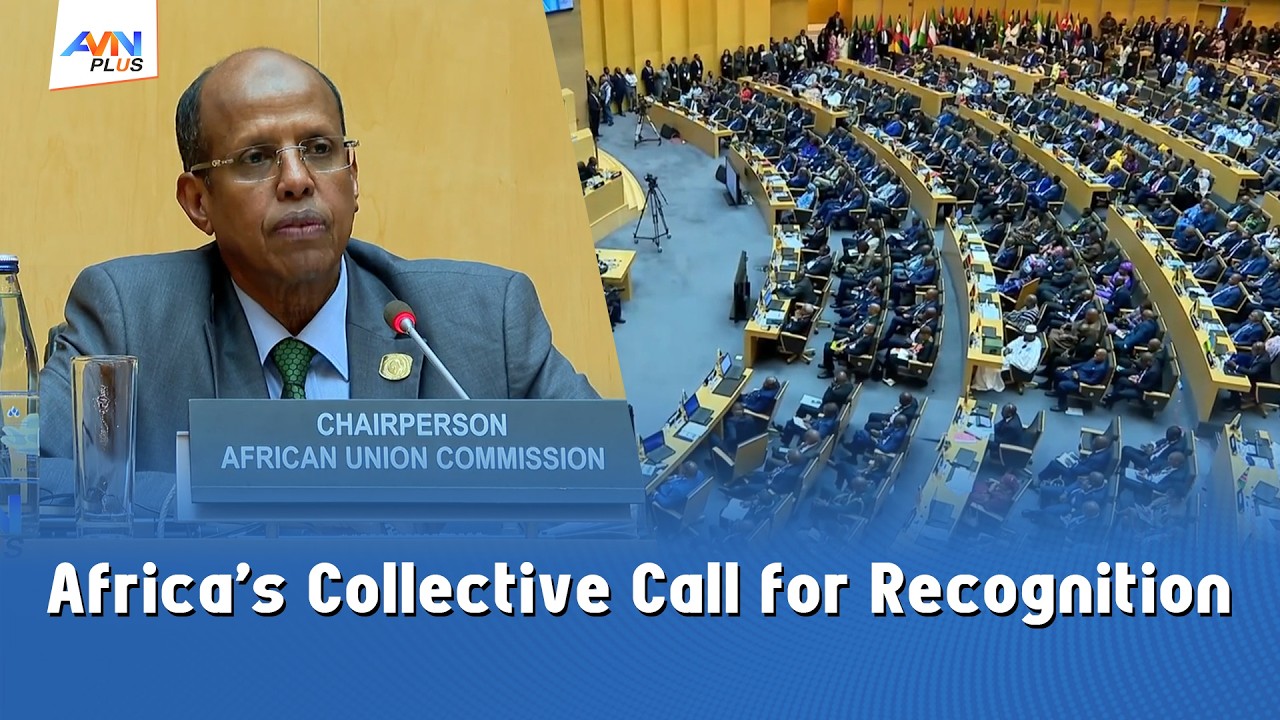
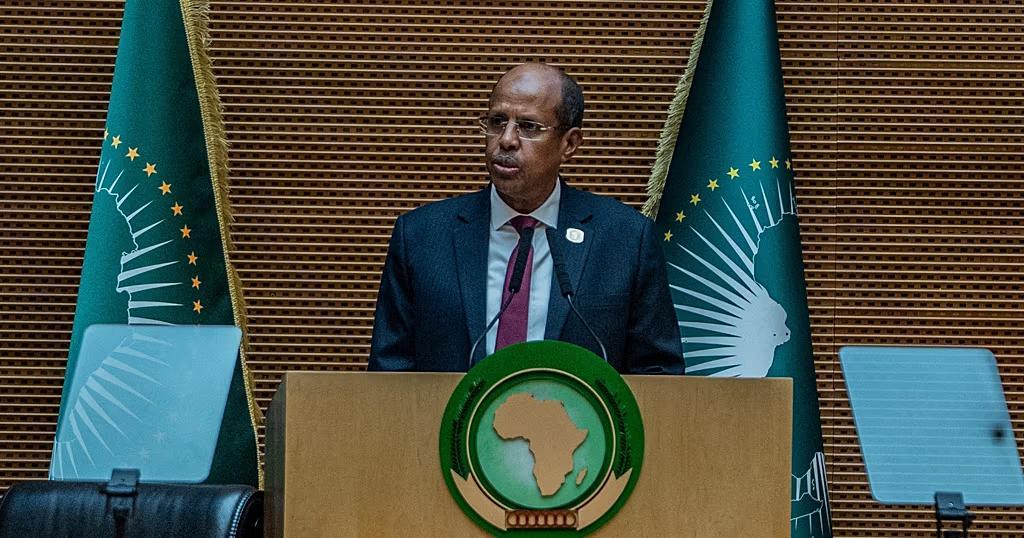
African Union Commission: Chairperson Mahmoud Ali Youssouf stressed the importance of unified recognition of colonization as a crime against humanity during the AU Summit.
Key Events and Declarations:
Algiers Declaration (November 30, 2025): Recognized colonialism, transatlantic slavery, deportation, and apartheid as crimes against humanity and forms of genocide.
Addis Ababa Declaration (February 15, 2026): The AU formally adopted the Algiers Declaration, designating November 30 as the African Day of Tribute to African Martyrs and Victims of the Transatlantic Slave Trade, Colonization, and Apartheid.
The AU Declaration is a significant step towards seeking justice and reparations for historical injustices. It remains to be seen how this will impact global relations and potential reparations.
The declaration emphasizes historical justice, remembrance, and the preservation of African dignity. It also calls for international recognition of these crimes and urges member states to establish national reparations commissions. Ghana plans to table a UN resolution seeking recognition of the transatlantic slave trade as a crime against humanity
The declaration’s impact on Europe could be substantial, potentially leading to increased pressure on European countries to acknowledge their role in slavery and colonialism, and possibly resulting in apologies, restitution, or reparations. Some European countries, like Portugal, have already taken steps towards recognition and apology
Key Implications:
Reparations and Restitution: European countries may face demands for financial compensation or the return of looted artifacts.
Historical Accountability: The declaration may prompt European countries to re-examine their colonial past and acknowledge historical injustices.
Diplomatic Relations: The AU’s unified stance may strengthen Africa’s negotiating position in global forums.
European and US Response to AU Declaration:
The European response to the African Union’s (AU) declaration on slavery, deportation, and colonialism as crimes against humanity and genocide against African peoples is likely to be cautious. Some European countries, like Germany, have already taken steps to acknowledge and apologize for their colonial past, offering reparations and restitution. For example, Germany provided €1.1 billion to Namibia for the genocide against the Herero and Nama peoples. Portugal, have taken steps towards recognition and apology
Other European countries, such as the UK, have been more resistant to acknowledging their colonial past and providing reparations. The EU has acknowledged slavery and colonialism as crimes against humanity, but hasn’t taken a unified stance on reparations.
However, the response from Europe and the US is likely to be cautious, with potential impacts on diplomatic relations and economic partnerships.
Donald Trump’s response to the African Union’s (AU) declaration on slavery, deportation, and colonialism as crimes against humanity would likely be transactional and focused on American interests.
The Trump’s administration has been known for its transactional approach to international relations, emphasizing bilateral agreements and economic benefits. He might see the AU’s declaration as a chance to renegotiate terms with African nations, potentially leveraging economic aid or trade agreements.
Some relevant context includes Trump’s past comments on Africa, such as threatening military action against Nigeria over religious persecution claims. His administration also imposed tariffs and sanctions on several African countries, citing national security and economic interests
Given his past actions and policies, here’s a possible scenario:
Transactional Approach: Trump might view the AU declaration as an opportunity to negotiate trade deals or secure American interests in Africa, rather than addressing historical injustices.
Critique of Past Policies: He could criticize previous administrations for not doing enough to address these issues and claim his approach is more effective.
Focus on Economic Partnerships: Trump might emphasize economic partnerships and investments in Africa, potentially linking these to the AU’s declaration.
Threatening Military Action: In 2025, Trump threatened military action against Nigeria over claims of religious persecution.
America First” Policy: His administration prioritized American interests, often criticized for neglecting global cooperation.
The European and US response to the AU declaration should otherwise be one of acknowledgment, apology, and action. Given their historical roles in slavery and colonialism, they should:
Acknowledge historical injustices: Recognize the transatlantic slave trade and colonialism as crimes against humanity, acknowledging the harm inflicted upon African peoples.
Apologize sincerely: Offer formal apologies for their roles in these injustices, acknowledging the ongoing impacts on African descendants.
Provide reparations and restitution: Offer financial compensation, return looted artifacts, and implement policies to address systemic inequalities.
Support development and justice: Collaborate with the AU on initiatives promoting economic development, education, and human rights in Africa.
Reparations and Restitution: Countries may offer financial compensation, return looted artifacts, or provide development aid to affected countries.
Historical Education: European countries may incorporate colonial history and its impacts into their educational curricula.
The AU’s declaration may pressure European countries to re-examine their colonial past and consider providing reparations. However, the response will likely vary depending on the country and its historical context.
Some steps already taken:
Germany has provided €1.1 billion to Namibia for the genocide against the Herero and Nama peoples.
The UK has acknowledged its role in the transatlantic slave trade, with some MPs calling for reparations
A meaningful response requires a commitment to addressing historical injustices and their ongoing impacts.
Africa diaspora and Descendants
The roles of Africa diaspora and descendants are multifaceted, and their efforts are crucial in shaping the global conversation on reparations and justice.
The AU has recognized the importance of the diaspora, with initiatives such as the African Diaspora Sixth Region and the African Union Diaspora Division, aimed at engaging and empowering diaspora communities.
Advocacy and Awareness: Many descendants are using their voices to raise awareness about the historical injustices inflicted upon their ancestors. For example, Laura Trevelyan, a former BBC journalist, has been advocating for reparations and apologized to Grenada on behalf of her family, who owned slaves.
Advocacy and Lobbying: Diaspora organizations, such as the Global African Diaspora Caucus, have been advocating for reparations and recognition of the transatlantic slave trade and colonialism as crimes against humanity.
Historical Connection: The diaspora has a direct connection to the historical injustices inflicted upon their ancestors, and their voices amplify the calls for reparations and recognition.
Economic Contribution: The African diaspora contributes significantly to the continent’s economy through remittances, investments, and expertise, making their involvement crucial in shaping Africa’s development agenda.
Cultural Preservation: The diaspora plays a vital role in preserving African culture, heritage, and identity, which is central to the AU’s declaration.
Community Engagement: Descendants are engaging with their communities, sharing their stories, and preserving cultural heritage. This helps to build a sense of identity and solidarity among African descendants worldwide.
Policy Influence: Organizations like the Caribbean Community (CARICOM) and the AU are working with descendants to develop policies and frameworks for reparations. The AU’s 2025 theme, “Justice for Africans and People of African Descent Through Reparations,” reflects this collaboration.
Reparations and Restitution: Descendants are calling for reparations, including financial compensation, return of looted artifacts, and educational reforms. Some European countries, like Germany, have already taken steps to acknowledge and make amends for their colonial past
African Union’s Next Steps
The African Union (AU) can significantly influence UN decisions regarding their declaration on slavery, deportation, and colonialism as crimes against humanity and genocide against African peoples through several channels.
UN-AU Partnership: The AU and UN have a long-standing partnership, with regular high-level meetings and joint frameworks on peace and security, sustainable development, and human rights. This partnership provides a platform for the AU to push for its agenda at the UN.
AU’s Common African Position: The AU has a unified position on UN Security Council reform, which calls for two permanent seats and two non-permanent seats for Africa. This position is supported by the UN Secretary-General, who has emphasized the need for Africa to have a greater voice in global decision-making.
Advocacy and Lobbying: The AU can leverage its diplomatic missions and partnerships with other regional organizations to advocate for its declaration and push for UN support.
Civil Society Engagement: The AU can engage with civil society organizations and the media to raise awareness and build public support for its declaration, which can in turn influence UN decision-making.
To effectively influence UN decisions, the AU will need to demonstrate strong leadership, coordination, and commitment to its declaration.
To achieve the utmost benefit from this declaration, the AU could consider:
Unified International Front: Present a united front at international forums, pushing for global recognition of colonialism and slavery as crimes against humanity.
Reparations Framework: Develop a clear framework for reparations, including financial compensation, return of looted artifacts, and educational reforms.
Collaboration with Diaspora: Engage with African diaspora communities worldwide to build support and amplify their voices.
Economic Empowerment: Leverage economic partnerships, like the African Continental Free Trade Area (AfCFTA), to promote African economic integration and self-sufficiency.
Potential Punitive Measures:
If the European Union and the United States fail to respond positively to the African Union’s (AU) declaration on slavery and colonialism as crimes against humanity, the AU and its member states could consider several punitive measures, leveraging Africa’s vast mineral resources and growing economic potential. The AU and its member states could consider:
International Cooperation and Diplomatic Measures
Diplomatic Measures: Using Africa’s growing geopolitical importance to rally support from other regions, like Asia or Latin America, on the global stage. Downgrading diplomatic relations, recalling ambassadors, or expelling EU and US diplomats.
International Cooperation: Seeking support from other regional organizations to build a coalition pushing for recognition and reparations.
International Courts: Exploring cases against EU and US entities in international courts, such as the International Court of Justice (ICJ) or the International Criminal Court (ICC).
Australia, for example, has imposed sanctions on various countries, including Russia and Iran, and has laws in place to enforce these sanctions and Australia’s consideration of the United Nations Declaration on the Rights of Indigenous Peoples.
Seek alternative international forums: The AU might turn to alternative international forums, such as the United Nations General Assembly, to push for global recognition of colonialism and slavery as crimes against humanity.
Implement domestic policies: AU member states could implement domestic policies addressing historical injustices, such as education reforms, cultural preservation, and economic empowerment programs.
Engage with civil society and diaspora communities: The AU could mobilize civil society organizations and African diaspora communities worldwide to raise awareness and build international pressure for action.
Alternative Payment Systems:
Switch to BRICS Pay: A decentralized digital payment platform enabling fast, secure, and low-cost cross-border transactions among BRICS nations, developed by the BRICS Business Council, enabling fast, secure, and seamless cross-border transactions, reducing reliance on US dollar and Western-dominated systems like SWIFT.
Switch to CIPS (Cross-Border Interbank Payment System): China’s alternative to SWIFT, already connecting over 1,300 financial institutions across 110 countries, facilitating trade in local currencies. This is China’s alternative to SWIFT, already handling over 90% of bilateral trade in local currencies, primarily the yuan.
Petrodollar System: The Petrol Dollar system, established in the 1970s, has maintained the US dollar’s global dominance. Challenging this system could be a long-term strategy for the AU The AU could consider pricing oil in alternative currencies, reducing the dollar’s dominance.
Economic Measures and Partnerships:
China-Africa Partnerships: Strengthening ties with China, a major investor in Africa, could provide alternative funding for development projects. China’s Belt and Road Initiative has already positioned Africa as a key partner; the AU could deepen these ties.
Trade Diversification: Redirecting trade partnerships towards emerging economies like India, Brazil, or Southeast Asian nations, reducing dependence on EU and US markets.
Economic Sanctions: Imposing trade restrictions or asset freezes on EU and US entities.
Resource Leveraging: Restrict or nationalize strategic mineral exports, such as cobalt, oil, or rare earth minerals, impacting global supply chains. AU member states could restrict or nationalize strategic mineral exports, such as cobalt, oil, or rare earth minerals, impacting global supply chains.
Trade Diversification: Redirect trade partnerships towards emerging economies like China, India, or Brazil, reducing dependence on EU and US markets.
Investment Redirect: Prioritize investments from non-Western countries like China or the UAE for infrastructure and development projects.
Strengthen regional and international alliances: The AU could deepen partnerships with other regional organizations, such as the Association of Southeast Asian Nations (ASEAN) and the Caribbean Community (CARICOM), to build a stronger coalition pushing for recognition and reparations.
Leverage economic partnerships: The AU could use economic partnerships, like the African Continental Free Trade Area (AfCFTA), to promote African economic integration and self-sufficiency, reducing dependence on Western economies.
The African Union (AU) can fine-tune their economic policies to maximize benefits from the declaration by focusing on key areas:
Economic Integration: Strengthen regional trade agreements, like the African Continental Free Trade Area (AfCFTA), to boost intra-African trade and investment.
Diversification: Invest in diverse sectors, such as manufacturing, technology, and renewable energy, to reduce dependence on primary commodities.
Infrastructure Development: Enhance transportation networks, energy infrastructure, and digital connectivity to facilitate trade and attract investments.
Human Capital: Prioritize education, healthcare, and skills development to build a productive workforce.
Good Governance: Implement transparent and accountable governance practices to attract foreign investment and promote economic stability.
By focusing on these areas, the AU can leverage the declaration to drive economic growth, industrialization, and sustainable development. These measures could enhance Africa’s economic sovereignty and promote multipolar trade dynamics.
The AU’s declaration is a significant step towards seeking justice and reparations for historical injustices. By presenting a united front and leveraging economic partnerships, the AU can promote African economic integration and self-sufficiency, ultimately achieving the utmost benefit from this declaration.
November 30th was chosen by the African Union (AU) to commemorate the “African Day of Remembrance for African Martyrs and Victims of the Transatlantic Slave Trade, Colonialism and Apartheid”. This date marks the opening day of the International Conference on Colonial Crimes held in Algiers in 2025. The AU aims to promote remembrance, justice, and reparation for the historical injustices inflicted upon African peoples.
The significance of November 30th is to:
Acknowledge past injustices: Recognize the transatlantic slave trade, colonialism, and apartheid as crimes against humanity.
Promote collective memory: Preserve the history and experiences of African victims and martyrs.
Seek reparatory justice: Encourage former colonial powers to acknowledge and make amends for their historical wrongs.
